
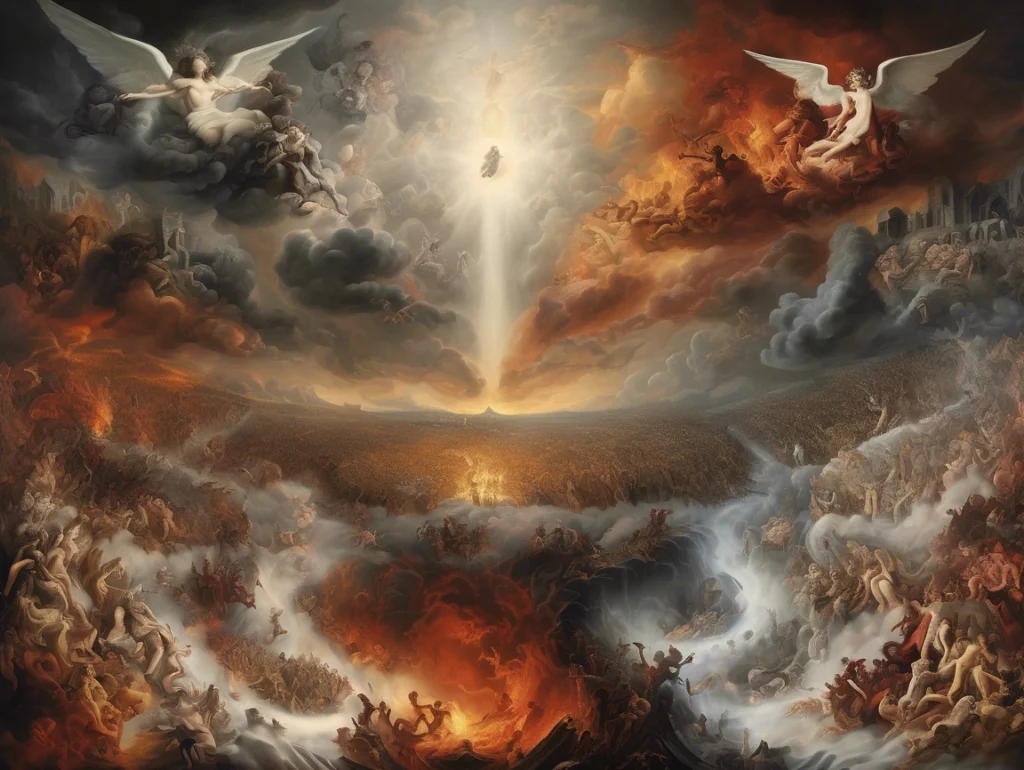

This post is currently in development. It will examine the moral and spiritual themes in Hazbin Hotel from a biblical worldview.

This blog aims to be a resource for thoughtful, discerning believers — especially parents — who want to make sense of modern media through a scriptural lens.

🪓 Section 1: Hazbin Hotel’s View of Sin, Salvation & Hell

  • Redemption (earned vs. grace)

  • Hell and judgment (just vs. arbitrary)

  • Goodness or moral merit in demons


⚠️ Section 2: Biblical Misalignments & Distortions

  • What is salvation according to the Bible?

  • Is it something earned? Who saves who?

  • What does the Bible really say about Hell? About demons?


🧭 Section 3: How Should We Respond as Christians?

  • Call to discern, not despise

  • Caution against desensitization

  • Encourage deeper faith, not fear

  • Support for parents & media-aware believers

Hazbin Hotel’s View of Sin, Salvation & Hell

The world of Hazbin Hotel is loud, layered, and unapologetically subversive. It’s not just a story about demons — it’s a reimagining of the afterlife, sin, and salvation through a modern, morally fluid lens. The show centers on Charlie, the Princess of Hell, who hopes to rehabilitate demons so they can earn a second chance and be redeemed.

TV Box
Core Observation

But redemption in Hazbin Hotel is framed as something achievable through behavioral change, therapy, or even entertainment — not as a result of grace, truth, or repentance. The concept of Hell itself is treated more like a chaotic metropolis than a place of judgment. Sin is rarely defined. In fact, characters who are celebrated for their charm or charisma are still depicted as murderers, addicts, or abusers — and yet they’re framed as “redeemable” simply because they’re likeable or funny.

Section Wrap-Up

The show presents a version of salvation where demons can reform themselves — where the process of “getting better” is based more on self-determination than divine intervention. It’s colorful. It’s catchy. But it ultimately disconnects redemption from its moral and theological roots.

Biblical Misalignments & Distortions

Scripture offers a radically different framework for sin, salvation, and the nature of Hell. Where Hazbin Hotel depicts demons as quirky anti-heroes working toward self-improvement, the Bible paints a far more sobering picture — one rooted in truth, justice, and divine mercy.

"There is a way that seems right to a man, but its end is the way to death."

An open bible
Proverbs 14:12
ESV
Biblical View of Sin​

Sin is not just a bad habit or a lack of education. Biblically, it’s a rebellion against God’s holiness — a condition of the heart (Romans 3:23, Jeremiah 17:9). While Hazbin Hotel shows Hell as a dysfunctional society that can be reformed from within, Scripture presents it as the just separation of a holy God from unrepentant sin (Luke 16:19–31, Revelation 20:11–15).

The True Nature of Redemption​

Redemption in the Bible is never something we achieve by charm, progress, or self-effort. It is a gift, made possible only through the sacrifice of Jesus Christ (Ephesians 2:8–9, Romans 5:8). Without repentance and faith, there is no biblical salvation — no matter how sincere or charismatic the character may appear.

Dangerous Messaging

Shows like Hazbin Hotel may not claim to be theology, but they shape how people — especially young viewers — perceive eternal truths. By suggesting that redemption is a self-led journey without God, they risk turning real spiritual danger into satire. The result is a culture increasingly numb to the weight of sin and the wonder of grace.

How Should Christians Respond?

Respond with Discernment, Not Fear

Christians are not called to hide from the world, but to engage it with wisdom. That means we must be alert, not afraid — ready to test every message against the truth of Scripture (1 John 4:1, Acts 17:11). We don’t reject media because it’s animated, popular, or edgy — we examine it because we care about what shapes the heart.

Guard Our Hearts Without Hardening Them

Jesus didn’t isolate Himself from sinners — He loved them while speaking truth without compromise (John 1:14). Our response to shows like Hazbin Hotel shouldn’t be outrage, but sober reflection: What am I consuming? What ideas am I normalizing? What are my kids quietly absorbing?

Discernment isn’t about judgment — it’s about spiritual clarity.

Equip, Not Shame

If you’re a parent, a teacher, or a friend trying to guide others, remember: equip, don’t just condemn. Open conversations. Ask questions. Point out inconsistencies gently. Media literacy is a discipleship issue in our time — and your loving insight might be the stepping stone someone needs.

Final Encouragement

We were not called to control the culture, but to be salt and light within it (Matthew 5:13–16). That means being aware, being anchored, and being willing to speak up — not with pride, but with love and clarity. Even in the darkest stories, we are entrusted to reflect the light of the One who redeems truly, fully, and forever.

“You are the light of the world. A city set on a hill cannot be hidden. Nor do people light a lamp and put it under a basket, but on a stand, and it gives light to all in the house. In the same way, let your light shine before others, so that they may see your good works and give glory to your Father who is in heaven."
An open bible
Matthew 5:14-16
ESV

In a world overflowing with noise and narratives, discernment isn’t optional — it’s essential. Hazbin Hotel may dress itself in humor and animation, but beneath the surface lies a message about sin, salvation, and identity that deserves a closer look. As Christians, we’re not called to cancel culture, but to understand it, engage it, and hold it up to the light of truth. In doing so, we not only protect our hearts — we become a refuge for others still searching for clarity in the confusion.

Scripture quotations are from the English Standard Version (ESV), © Crossway. Used by permission. All rights reserved.

Leave a Comment

Your email address will not be published. Required fields are marked *